I’m a Millennial, and here’s what I expect in a health plan.
As a thirty-something millennial, the quality of my health insurance plan, and how it benefits me, is starting to matter more. Random aches and pains – a stiff neck, a sore back (all those jokes about turning 30 that sadly, didn’t turn out to be jokes at all) have suddenly made access to, and coverage for, quality health care far more of a priority. Compounding that is the fact that many of us are far more health conscious than our parents and grandparents were at our age. We are a new generation of customers with new demands and expectations. They don’t call us the “me generation” for nothing, right?
What I want feels simple enough: a wide network of providers to choose from, a focus on whole-person care, options for virtual or in person appointments, and a health plan that is actually there for me. And in fact, these expectations have even begun playing a role in my professional life. The quality of health care offered by potential employers has become a bigger deciding factor in accepting or rejecting job offers. I’m not alone in this either – according to this report in Business Wire, roughly one third of millennials will turn down a job offer if the health insurance benefits don’t meet their needs.
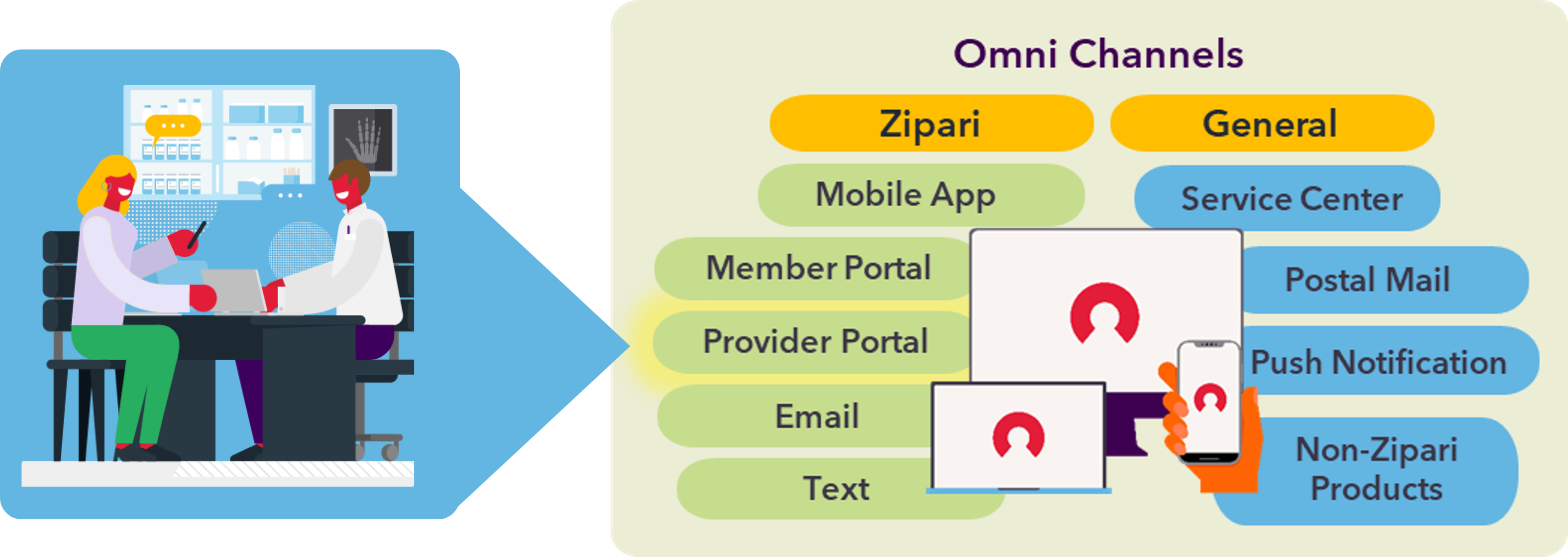
So, a health plan that’s there for me? What does that even mean? Here is what that means to me. I want a tailored customer experience that fits my needs and my unique preferences. As a Millennial, I am a digital native. A functional and impressive, yet easy to navigate member portal, is a basic expectation, this isn’t ‘new technology’ to us – and I want as much information at my fingertips as possible. Also, the more questions I can get answered without having to pick up the phone, the better. That said, when I do need to pick up the phone, I expect to speak to an actual person, not a robot (does yelling “representative,” repeatedly into the phone leave anyone feeling calm, collected, or like a satisfied customer?).
Personalization is another important factor. The more tailored my experience, the better. I want my health plan to understand me, and my specific needs. I am far more likely to respond to a text or email and I probably won’t answer a phone call. Knowing how to communicate with me on my terms will increase my engagement and improve my overall satisfaction. And, knowing what to communicate is just as important as understanding how to communicate with me. Give me resources that are tailored to address my specific health concerns and preferences. An email about heart health or COPD will go unopened, but one about mental health awareness, whole-person care, or family planning will probably be read within a few days.
So there you have it. Appealing to the millennial health plan member looks a little different. But in the end, our expectations just fall in line with expectations that every health plan should carry for themselves, don’t they? A user friendly, tech savvy and configurable offering that has the ability to meet the needs of its unique plan members. When you strive to be better than the rest, your members – and in turn, your organization, will reap the rewards.
In good health,
-Andie
For more detail on health plan consumer experiences across the generations, see Zipari’s recent survey report, Members Weigh In.