A health plan’s call center is the only route to human connection for members, and even in today’s digital age, the call center is still the most frequently used communication channel.
Not only are call-center interactions the most common, they also hold the most weight. The quality of these calls can make or break a health plan’s overall customer experience and, ultimately, its bottom line. We have all had experiences with excessive hold times and long, frustrating, interactions with customer service representatives (CSRs). These memories persist and taint our perceptions of entire organizations. On the other hand, positive call center experiences – those that deliver accurate information quickly, and also convey empathy and humanity – are just as, if not more, memorable. So it’s no surprise that the highest performing health plans have been those that made significant investments in the call center.
In this era it is easy and quick to post and access customer service reviews, making negative consumer experiences costly. Every health plan stands to benefit from a transformed call center — no matter how high or low their current ratings. Building a service-oriented approach into the call-center culture and implementing the latest technologies to improve and optimize operations has huge payoff potential. Combined, these shifts can drive higher overall retention and customer satisfaction, as well as acquisition, quality ratings, and revenue.
Believe it or not, in the current state of most call centers, CSRs are just as frustrated as their callers. Most CSRs are working on antiquated legacy systems – and often more than one- trying to pull up multiple platforms from different siloed internal departments to be able to answer a member’s benefits question, billing question, and/or speak intelligently about the member’s provider or recent prescription.
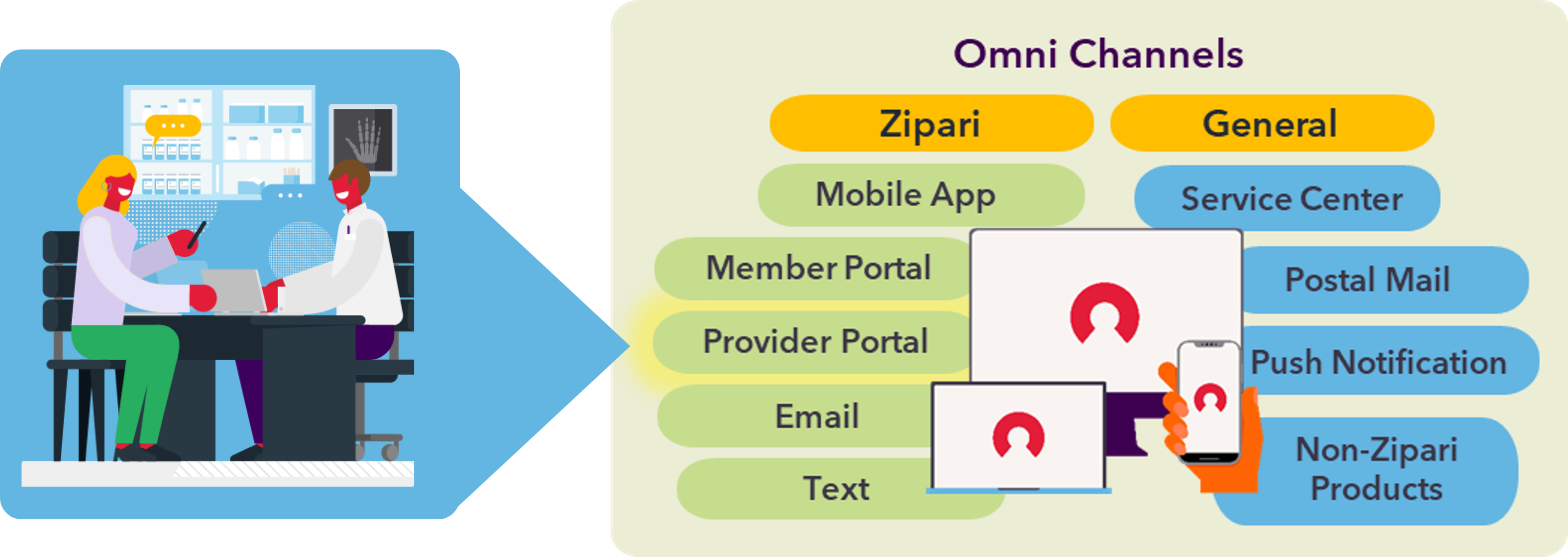
With the right technology, member information would be integrated into a comprehensive view, allowing CSRs to answer members’ specific questions and knowingly follow up on prior member outreach- reducing time and member frustration.
Tweet
Further, with the right comprehensive technology, members could accomplish basic tasks, like accessing an ID card, via self-service member portals and mobile apps, reducing the number of member calls and long wait times for those who have more complex questions. Call center technology has the potential to transform the member experience AND reduce costly CSR turnover.
While most health plan executives see the obvious ROI, call center transformation can seem like a daunting task with a lot at stake. As call center technology has evolved, many disparate systems have come to market, leaving executives wondering how and if these systems would work together, or with their existing technology, and if they should build their own system, look for an external partner, hire consultants, or some combination of the three. As the market matures, the answer to these questions are becoming increasingly clear.
Get the benefit of hindsight by downloading the whitepaper, Elevating Health Insurance Relationships Through Call Center Transformation: Why Health Plans Need to Revamp their Call Center Operations and How to Do It Now to learn